

The Wonders and Applications of Brass Cnc Turned Parts
Time:
2025-06-23 09:30
Source:
In the realm of modern manufacturing, Brass Cnc Turned Parts have emerged as a cornerstone of precision engineering. These parts, crafted from brass through the advanced process of Computer Numerical Control (CNC) turning, offer a unique blend of functionality, durability, and aesthetic appeal.
Brass, an alloy primarily composed of copper and zinc, provides an excellent base material for CNC turned parts. Its inherent properties such as good corrosion resistance, high thermal and electrical conductivity, and malleability make it ideal for a wide range of applications. When combined with the precision capabilities of CNC turning, Brass Cnc Turned Parts can be manufactured to exact specifications, ensuring consistent quality and performance.
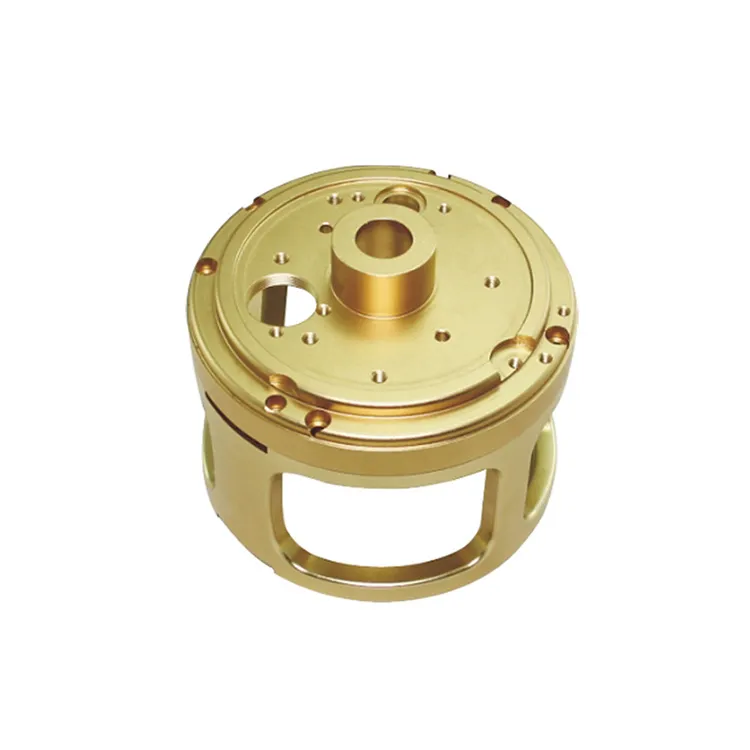
The CNC turning process for brass parts involves a computer-controlled lathe that rotates the brass workpiece while cutting tools shape it into the desired form. This highly automated process allows for the creation of complex geometries with tight tolerances. Whether it's a small, intricate component or a larger, more robust part, CNC turning can produce Brass Cnc Turned Parts with unparalleled precision.
One of the key applications of Brass Cnc Turned Parts is in the plumbing and electrical industries. In plumbing, brass fittings and valves are highly sought after due to their resistance to corrosion and ability to withstand high water pressure. These parts are crucial for ensuring the integrity and functionality of plumbing systems. In the electrical field, the excellent electrical conductivity of brass makes Brass Cnc Turned Parts ideal for components such as connectors, terminals, and switches. Their reliable performance helps to ensure the smooth flow of electricity in various electrical devices and systems.
Another significant area where Brass Cnc Turned Parts shine is in the automotive and aerospace industries. In automotive manufacturing, brass components are used in engines, transmissions, and fuel systems. Their durability and ability to perform well under extreme conditions contribute to the overall reliability and efficiency of vehicles. In aerospace, where precision and weight are of utmost importance, Brass Cnc Turned Parts are used in various applications, from control systems to cabin components. Their combination of strength and lightness makes them an excellent choice for these high-tech industries.
The production of Brass Cnc Turned Parts also offers several advantages in terms of cost-effectiveness and production efficiency. The CNC turning process minimizes material waste as it precisely removes only the necessary amount of material. Additionally, the high-speed and automated nature of CNC turning reduces production time, allowing for faster turnaround of orders. This makes Brass Cnc Turned Parts not only of high quality but also economically viable for both small-scale and large-scale manufacturing projects.
In conclusion, Brass Cnc Turned Parts are an essential part of modern manufacturing. Their unique combination of the properties of brass and the precision of CNC turning makes them suitable for a diverse range of applications across multiple industries. As technology continues to advance, the demand for these high-quality, precision-engineered parts is only expected to grow, further solidifying their importance in the manufacturing landscape.
Related News
The Role of Plastic Parts in Enhancing Mechanical Tool Performance
The Role of Plastic Parts in Enhancing Mechanical Tool Performance Table of Contents Introduction to Plastic Parts in Mechanical Tools Advantages of Using Plastic Parts in Mechanical Tools Types of Plastics Used in Mechanical Tool Manufacturing How Plastic Parts Improve Mechanical Performance Integrating Plastic Components into Tool Design Sustainability and the Future o
Unlocking the Potential of CNC Machining Parts in the Hardware Industry
In the realm of mechanical hardware, CNC machining parts are essential elements that significantly enhance product quality and manufacturing processes. CNC, or Computer Numerical Control, refers to the automated control of machining tools using software. This technology allows for the precise shaping and fabrication of various materials, including metals, plastics, and composites, making it a pref
The Advantages of Aluminum Parts in Mechanical Applications Table of Contents Introduction to Aluminum in Mechanical Applications The Lightweight Nature of Aluminum Components Corrosion Resistance: Extending Product Lifespan Cost-Effectiveness of Aluminum Parts in Manufacturing Aluminum in Various Manufacturing Processes The Versatility of Aluminum in Different Industries Sustaina
Understanding UAV Enclosures: Essential Components for Drone Protection and Performance
In the context of UAVs, enclosures serve as protective casings for the electronic components and sensitive instruments housed within the drone. These enclosures play a pivotal role in safeguarding UAVs against environmental elements such as dust, moisture, and impacts, ultimately prolonging the lifespan of the equipment and ensuring reliable operation. In the field of mechanical hardware, understa
How Milling Parts Enhance the Performance of Your Tools
How Milling Parts Enhance the Performance of Your Tools Table of Contents Introduction to Milling Parts Understanding the Milling Process Types of Milling Parts End Mills Face Mills Ball Nose Mills Slot Drills Benefits of Using Milling Parts Precision and Accuracy Efficiency and Prod
Understanding Die Casting Parts: A Comprehensive Guide for Professionals
Die casting parts play a pivotal role in the manufacturing landscape, particularly in the mechanical hardware sector. This process involves forcing molten metal into a mold cavity under high pressure, allowing for the creation of complex shapes and precise dimensions. The die casting technique is predominantly utilized for non-ferrous metals, such as aluminum, zinc, and magnesium, which are favore
Contact Us
-
WhatsApp : +86 13417158559
Name:Sean
E-mail : sales3@wanbangcnc.com -
WhatsApp : +86 13528666743
Name:Tina
E-mail : sales2@wanbangcnc.com -
-
ADD : Tiantou Third Industrial Zone, Hengli Town, Dongguan City, Guangdong Province
Online Message



