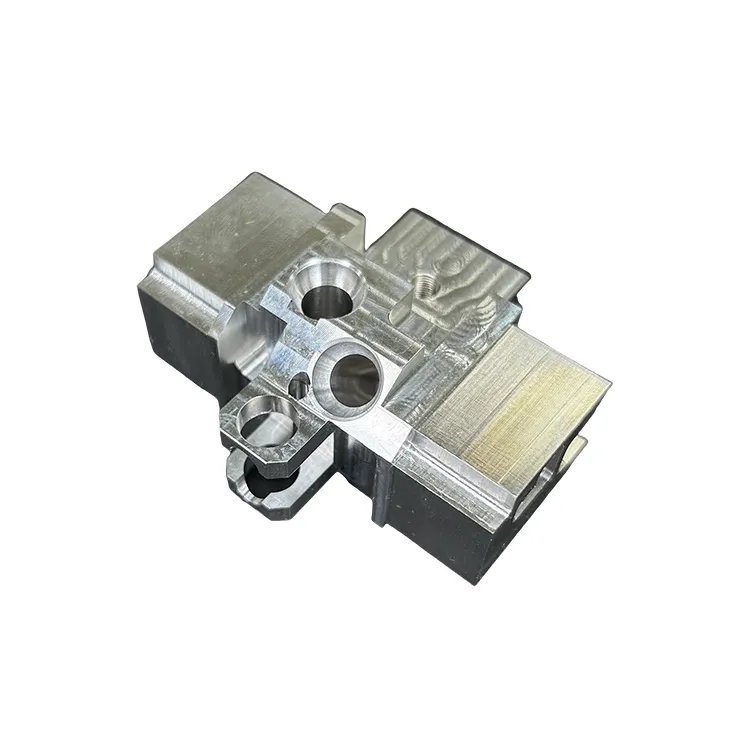
Cnc Machining Milling Parts: Unlocking Efficiency and Complexity in Industrial Production


In the realm of industrial manufacturing, CNC machining milling parts stand as a testament to human ingenuity. This subtractive manufacturing process, which uses rotating cutters to shape materials, has evolved into a cornerstone of precision engineering. From prototyping to mass production, CNC milling delivers consistent quality and design flexibility that few other methods can rival.

The Art and Science of CNC Milling

CNC milling operates on a simple principle: a computer-controlled spindle guides cutting tools along X, Y, and Z axes to remove material from a workpiece. The result? Parts with micron-level accuracy (±0.02mm) and intricate features like threads, slots, and curved surfaces . What sets it apart is its adaptability. Whether working with aluminum, stainless steel, or composites, CNC mills can carve out complex geometries that traditional machining methods struggle to replicate .

Advantages That Drive Innovation

Efficiency lies at the core of CNC milling’s appeal. Unlike manual machining, which requires constant operator oversight, CNC systems run autonomously, reducing labor costs and human error. For example, a single CNC mill can produce hundreds of identical parts overnight, maintaining uniformity throughout the batch . The cost-effectiveness is equally compelling: rapid prototyping with CNC milling cuts development time by 60%, allowing companies to iterate designs faster and bring products to market sooner .

Applications That Shape Industries

CNC machining milling parts are everywhere, from everyday consumer goods to cutting-edge technology. In automotive manufacturing, they create transmission components and engine brackets that ensure smooth operation. The aerospace sector relies on CNC milling for lightweight aircraft structures, while the medical field uses it to fabricate surgical instruments and implants with biocompatible finishes . Even the energy industry benefits, as CNC-milled turbine blades optimize power generation in wind and hydroelectric systems .

Choosing the Right Partner for Success

Selecting a CNC milling provider requires careful consideration. Look for companies with multi-axis capabilities, such as 5-axis milling, which can handle complex 3D geometries in a single setup . Advanced CAD/CAM software is another critical factor; tools like hyperMILL 2025 automate toolpath generation and collision detection, ensuring optimal performance . Equally important is material expertise—a reputable supplier should offer a wide range of materials, including exotic alloys and high-strength plastics, to meet diverse project needs .

The Future of CNC Milling

As manufacturing trends shift toward smart factories and sustainable practices, CNC milling is evolving alongside them. AI-driven optimization now predicts tool lifespan and adjusts cutting speeds to minimize waste . Green manufacturing initiatives, such as dry cutting and energy recovery systems, are reducing the environmental impact of milling operations . Meanwhile, hybrid manufacturing—combining CNC milling with 3D printing—allows for rapid prototyping of hybrid parts that blend the best of both technologies .


In a world where precision and speed are paramount, CNC machining milling parts remain an indispensable tool. Their ability to transform raw materials into high-performance components with unmatched accuracy and efficiency ensures they will continue to drive innovation across industries. Whether crafting a custom prototype or scaling production for a global market, CNC milling is the key to unlocking the full potential of modern manufacturing.

Related News


The Role of Plastic Parts in Enhancing Mechanical Tool Performance

The Role of Plastic Parts in Enhancing Mechanical Tool Performance Table of Contents Introduction to Plastic Parts in Mechanical Tools Advantages of Using Plastic Parts in Mechanical Tools Types of Plastics Used in Mechanical Tool Manufacturing How Plastic Parts Improve Mechanical Performance Integrating Plastic Components into Tool Design Sustainability and the Future o


Unlocking the Potential of CNC Machining Parts in the Hardware Industry

In the realm of mechanical hardware, CNC machining parts are essential elements that significantly enhance product quality and manufacturing processes. CNC, or Computer Numerical Control, refers to the automated control of machining tools using software. This technology allows for the precise shaping and fabrication of various materials, including metals, plastics, and composites, making it a pref


The Advantages of Aluminum Parts in Mechanical Applications: Innovating for Efficiency and Performance

The Advantages of Aluminum Parts in Mechanical Applications Table of Contents Introduction to Aluminum in Mechanical Applications The Lightweight Nature of Aluminum Components Corrosion Resistance: Extending Product Lifespan Cost-Effectiveness of Aluminum Parts in Manufacturing Aluminum in Various Manufacturing Processes The Versatility of Aluminum in Different Industries Sustaina


Understanding UAV Enclosures: Essential Components for Drone Protection and Performance

In the context of UAVs, enclosures serve as protective casings for the electronic components and sensitive instruments housed within the drone. These enclosures play a pivotal role in safeguarding UAVs against environmental elements such as dust, moisture, and impacts, ultimately prolonging the lifespan of the equipment and ensuring reliable operation. In the field of mechanical hardware, understa


How Milling Parts Enhance the Performance of Your Tools

How Milling Parts Enhance the Performance of Your Tools Table of Contents Introduction to Milling Parts Understanding the Milling Process Types of Milling Parts End Mills Face Mills Ball Nose Mills Slot Drills Benefits of Using Milling Parts Precision and Accuracy Efficiency and Prod


Understanding Die Casting Parts: A Comprehensive Guide for Professionals

Die casting parts play a pivotal role in the manufacturing landscape, particularly in the mechanical hardware sector. This process involves forcing molten metal into a mold cavity under high pressure, allowing for the creation of complex shapes and precise dimensions. The die casting technique is predominantly utilized for non-ferrous metals, such as aluminum, zinc, and magnesium, which are favore