

The Pinnacle of Manufacturing Excellence: High Precision CNC Machining Parts
Time:
2025-05-28 00:00
Source:
In modern manufacturing, High Precision CNC Machining Parts represent the convergence of cutting-edge technology, engineering mastery, and relentless pursuit of perfection. As industries demand tighter tolerances, complex geometries, and flawless surface finishes, Computer Numerical Control (CNC) machining has emerged as the gold standard for producing components that meet and exceed these expectations.
High Precision CNC Machining Parts are engineered to achieve tolerances as tight as 0.005 mm or finer, ensuring seamless functionality in environments where even microscopic deviations can lead to failure. Unlike conventional machining methods, which rely heavily on manual labor and iterative adjustments, CNC machining leverages computer-aided design (CAD) software and automated tooling to execute commands with unparalleled accuracy. This process begins with a digital 3D model, which is translated into machine-readable code (G-code), guiding multi-axis mills, lathes, and grinders to shape raw materials into finished parts. The result is a production method that eliminates human error, accelerates cycle times, and enables mass customization.
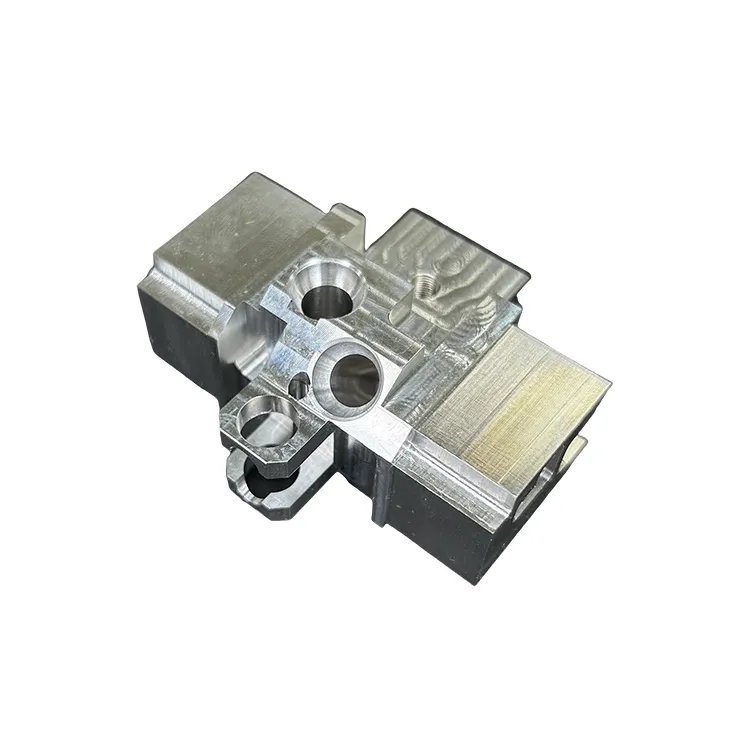
The automotive sector also benefits from High Precision CNC Machining Parts, particularly in electric vehicle (EV) manufacturing. Battery casings, motor housings, and lightweight chassis components require intricate designs to balance performance and energy efficiency. CNC machining enables the integration of cooling channels, threaded inserts, and assembly interfaces into single parts, reducing weight and assembly complexity. Beyond these sectors, industries like robotics, optics, and defense leverage CNC-machined components for their durability and exacting specifications.
Advancements in Material Science and tooling technology further amplify the capabilities of high precision CNC machining. Modern machines can process superalloys like Inconel, titanium, and hardened steels, which were once deemed too challenging to machine. Combined with coatings such as titanium nitride (TiN) and diamond-like carbon (DLC), cutting tools now endure higher speeds and temperatures, extending lifespans and improving surface finishes. Additionally, the integration of artificial intelligence (AI) and machine learning (ML) optimizes machining parameters in real time, predicting tool wear and adjusting feeds/speeds to maintain precision.
The future of High Precision CNC Machining Parts lies in hybridization with additive manufacturing (3D printing). While 3D printing excels in producing complex geometries, CNC machining ensures dimensional accuracy and surface quality. This synergy allows manufacturers to combine the best of both worlds: printing near-net-shape components and finishing them with CNC tools to achieve final specifications. Furthermore, the rise of Industry 4.0 and smart factories will see CNC machines connected via IoT networks, enabling predictive maintenance, remote monitoring, and adaptive production workflows.
Related News
The Role of Plastic Parts in Enhancing Mechanical Tool Performance
The Role of Plastic Parts in Enhancing Mechanical Tool Performance Table of Contents Introduction to Plastic Parts in Mechanical Tools Advantages of Using Plastic Parts in Mechanical Tools Types of Plastics Used in Mechanical Tool Manufacturing How Plastic Parts Improve Mechanical Performance Integrating Plastic Components into Tool Design Sustainability and the Future o
Unlocking the Potential of CNC Machining Parts in the Hardware Industry
In the realm of mechanical hardware, CNC machining parts are essential elements that significantly enhance product quality and manufacturing processes. CNC, or Computer Numerical Control, refers to the automated control of machining tools using software. This technology allows for the precise shaping and fabrication of various materials, including metals, plastics, and composites, making it a pref
The Advantages of Aluminum Parts in Mechanical Applications Table of Contents Introduction to Aluminum in Mechanical Applications The Lightweight Nature of Aluminum Components Corrosion Resistance: Extending Product Lifespan Cost-Effectiveness of Aluminum Parts in Manufacturing Aluminum in Various Manufacturing Processes The Versatility of Aluminum in Different Industries Sustaina
Understanding UAV Enclosures: Essential Components for Drone Protection and Performance
In the context of UAVs, enclosures serve as protective casings for the electronic components and sensitive instruments housed within the drone. These enclosures play a pivotal role in safeguarding UAVs against environmental elements such as dust, moisture, and impacts, ultimately prolonging the lifespan of the equipment and ensuring reliable operation. In the field of mechanical hardware, understa
How Milling Parts Enhance the Performance of Your Tools
How Milling Parts Enhance the Performance of Your Tools Table of Contents Introduction to Milling Parts Understanding the Milling Process Types of Milling Parts End Mills Face Mills Ball Nose Mills Slot Drills Benefits of Using Milling Parts Precision and Accuracy Efficiency and Prod
Understanding Die Casting Parts: A Comprehensive Guide for Professionals
Die casting parts play a pivotal role in the manufacturing landscape, particularly in the mechanical hardware sector. This process involves forcing molten metal into a mold cavity under high pressure, allowing for the creation of complex shapes and precise dimensions. The die casting technique is predominantly utilized for non-ferrous metals, such as aluminum, zinc, and magnesium, which are favore
Contact Us
-
WhatsApp : +86 13417158559
Name:Sean
E-mail : sales3@wanbangcnc.com -
WhatsApp : +86 13528666743
Name:Tina
E-mail : sales2@wanbangcnc.com -
-
ADD : Tiantou Third Industrial Zone, Hengli Town, Dongguan City, Guangdong Province
Online Message